Understanding Cholesterol and Its Impact on Heart Health
Cholesterol is a critical component of our body that supports cell function, hormone production, and vitamin D synthesis. However, an imbalance in cholesterol levels can pose serious risks to heart health. Elevated cholesterol is a major factor in cardiovascular diseases, including heart attacks and strokes, which are among the leading causes of mortality worldwide.
Dr. Monik Mehta, a highly experienced Senior Consultant cardiologist, has been a trusted name for managing cholesterol and heart diseases. Recognized as the best cardiologist in Gurugram. Dr. Mehta emphasizes early detection, preventive care, and effective treatment to promote long-term cardiovascular health.
What is Cholesterol?
Cholesterol is a waxy, fat-like substance found in every cell of the body. It plays an essential role in various bodily functions, such as:
- Building cell membranes
- Producing hormones like estrogen and testosterone
- Supporting bile production for digestion
Cholesterol is carried through the bloodstream by lipoproteins, which are categorized into:
- 1. LDL (Low-Density Lipoprotein): Known as "bad cholesterol," it contributes to plaque buildup in arteries, increasing the risk of cardiovascular disease.
- 2. HDL (High-Density Lipoprotein): Known as "good cholesterol," it removes excess cholesterol from the bloodstream, reducing the risk of heart disease.
- 3. Triglycerides: These are fats stored in the body and used for energy. Elevated triglycerides can also contribute to atherosclerosis.
Understanding the balance between LDL, HDL, and triglycerides is vital for maintaining a healthy heart.
The Link Between Cholesterol and Heart Disease
High cholesterol is one of the primary risk factors for cardiovascular disease. Here’s how it impacts heart health:
- Atherosclerosis: Excess LDL cholesterol accumulates on arterial walls, leading to plaque formation. Over time, this narrows the arteries and restricts blood flow.
- Coronary Artery Disease: Plaque buildup in the arteries supplying blood to the heart increases the risk of heart attacks.
- Stroke:Restricted blood flow to the brain caused by plaque can lead to strokes.
- Hypertension:Plaque buildup forces the heart to work harder, raising blood pressure and increasing heart strain.
Dr. Monik Mehta emphasizes that early detection and management of cholesterol can prevent these life-threatening conditions.
Common Causes of High Cholesterol
Several factors contribute to elevated cholesterol levels, including:
- Dietary Habits: Consuming foods high in saturated and trans fats, such as fried foods, red meat, and processed snacks.
- Physical Inactivity: Sedentary lifestyles reduce HDL levels, which play a key role in clearing bad cholesterol.
- Genetics: Family history of hypercholesterolemia increases the likelihood of high cholesterol.
- Obesity and Diabetes: Excess body weight and high blood sugar levels negatively impact cholesterol metabolism.
- Smoking and Alcohol: Smoking lowers HDL levels, while excessive alcohol raises triglycerides.
Dr. Mehta recommends identifying these factors early to adopt preventive measures and reduce risks.
Symptoms of High Cholesterol
High cholesterol typically shows no obvious symptoms, which is why it’s often referred to as a “silent threat.” Many individuals discover they have high cholesterol only after experiencing a heart attack or stroke.
The absence of symptoms makes routine cholesterol screening essential, especially for:
- Individuals over the age of 30.
- People with a family history of heart disease.
- Those with underlying conditions like diabetes or hypertension.
Dr. Monik Mehta advocates for regular lipid profile tests to monitor cholesterol levels and ensure timely intervention.
Preventing Cholesterol-Related Heart Issues
Preventing high cholesterol begins with proactive lifestyle choices and medical guidance. Dr. Monik Mehta advocates for a comprehensive approach to managing cholesterol and preventing heart disease.
Here are the most effective strategies:
Adopt a Heart-Healthy Diet
- Reduce: Saturated fats found in red meat and full-fat dairy products.
- Avoid: Trans fats commonly found in fried and processed foods.
-
Include heart-friendly foods such as:
- Oats and whole grains to lower LDL cholesterol.
- Nuts and seeds for healthy fats.
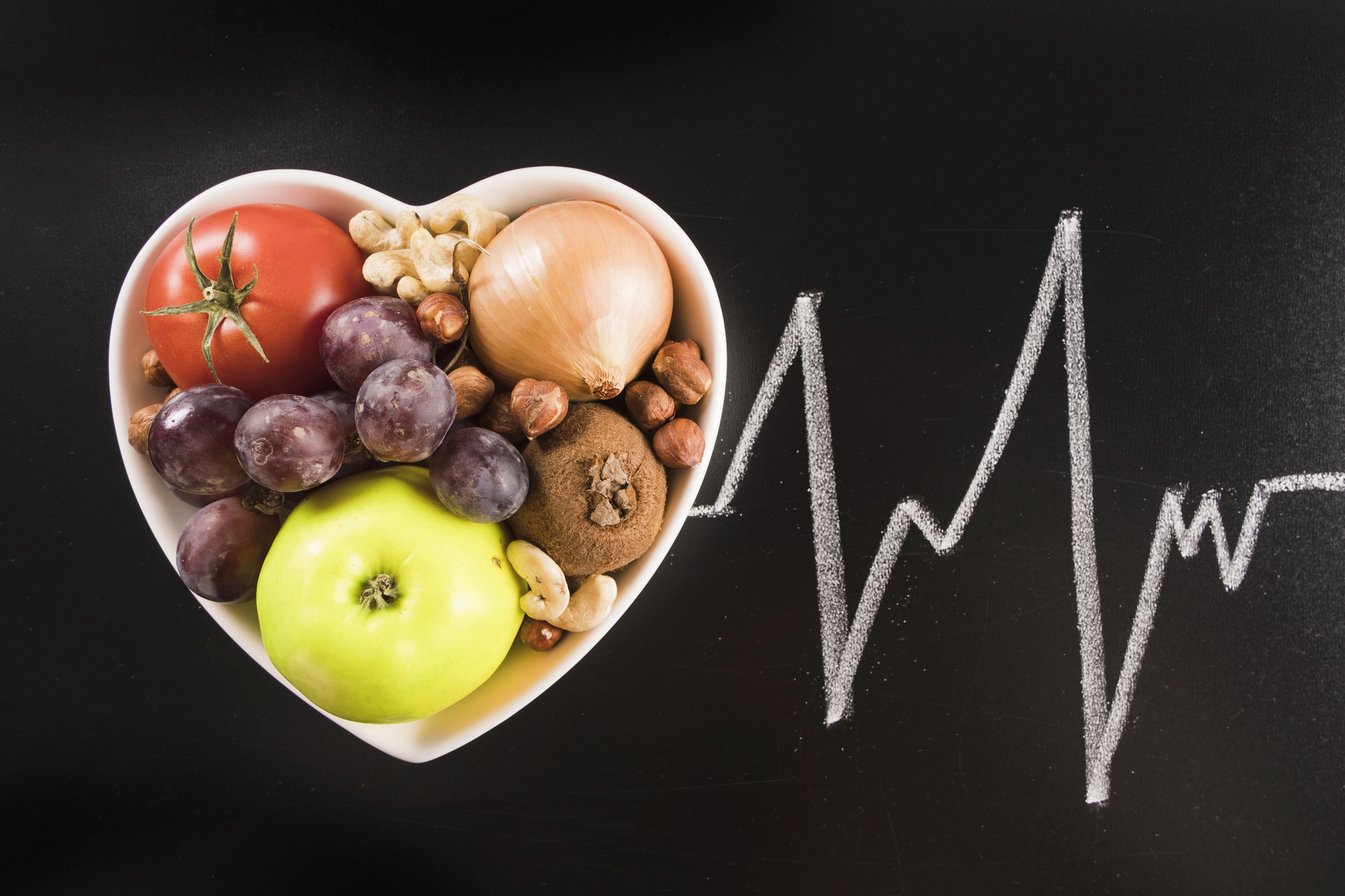
- Fruits and vegetables rich in antioxidants.
Regular Physical Activity
- Engage in at least 30 minutes of moderate exercise 5 days a week.
- Activities like walking, swimming, cycling, and yoga help increase HDL and reduce LDL levels.
Quit Smoking and Limit Alcohol
- Smoking: Lowers HDL levels while damaging artery walls.
- Excessive Alcohol: Raises triglycerides, contributing to heart disease.
Routine Check-Ups
- Dr. Mehta emphasizes regular health check-ups to monitor cholesterol levels and other cardiovascular risks.
How Dr. Monik Mehta Manages Cholesterol and Heart Health
As the best cardiologist in Gurugram, Dr. Monik Mehta combines expertise with compassion to provide cutting-edge treatment for cholesterol-related issues. His approach includes:
-
Comprehensive Diagnosis:
Utilizing advanced diagnostic tools like lipid profile tests and cardiac imaging to assess cholesterol levels and heart health.
-
Personalized Treatment Plans:
Creating tailored plans that combine medications, dietary advice, and lifestyle changes to address high cholesterol effectively.
-
Patient Education:
Empowering patients with knowledge about cholesterol and heart health, ensuring they make informed decisions for a healthier future.
Conclusion
Cholesterol management is integral to maintaining heart health and preventing cardiovascular diseases. Understanding the importance of LDL, HDL, and triglycerides enables individuals to take proactive steps toward a healthier lifestyle.
With over three decades of experience, Dr. Monik Mehta, the best cardiologist in Gurugram, combines cutting-edge diagnostics, personalized treatment, and compassionate care to help patients achieve optimal heart health.
Don’t wait for symptoms to take control of your health. Schedule a cholesterol screening today and take the first step toward a stronger, healthier heart.
FAQs
Total cholesterol should be below 200 mg/dL, with LDL below 100 mg/dL and HDL above 60 mg/dL.
Adults over 30 should check cholesterol levels every 4-6 years, or more frequently if high risk.
Yes, lifestyle changes like diet and exercise can help, but medications may be necessary for some individuals.
No, high cholesterol can affect younger individuals, especially with unhealthy lifestyles or genetic predispositions.